
Real Estate Elevated
Burlington Real Estate and Homes for Sale
Homes for sale, neighbourhood guidance and a broker who knows Burlington street by street.
Burlington runs from the shore of Lake Ontario up over the Niagara Escarpment, and the housing changes with the elevation. Along the lake you find 1920s garden-suburb streets in Roseland and estate lots on Lakeshore Road. In the middle band, between the QEW and Dundas Street, sit the family subdivisions built in three waves from the 1950s to the 2000s. North of Dundas, roughly half the city’s land is protected countryside where the listings are acreage, wells and escarpment views. Nikki Vrba has sold across all three: condos on Elgin Street and Maple Crossing Boulevard near downtown, detached homes on Headon Road, Cavendish Drive and Thomas Alton Boulevard, and rural properties on 2 Side Road and Cedar Springs Road.
Burlington is Nikki’s home market. She grew up in Halton, works out of the RE/MAX Escarpment office on Itabashi Way, and most of the sales on her record are here. If you are weighing a move into Burlington, out of it, or from one side of the QEW to the other, call (416) 274-6064 or start with a free home valuation.
Burlington, Neighbourhood by Neighbourhood
The city has about 186,948 residents in roughly 73,000 households, spread across 186 square kilometres. Those numbers hide how different the neighbourhoods are from each other, so here is how Nikki thinks about them.
Aldershot and the Plains Road Corridor
Aldershot is the west end, between Hamilton Harbour and the escarpment, and it is the most layered part of the city. You can find 1940s and 1950s cottage-style homes on large, mature lots a few streets from 2000s infill and 2010s condos. The Royal Botanical Gardens is the back yard. Aldershot GO is the only Burlington station with VIA Rail service, and the land around it has been approved as a major transit station area with several towers to come. That makes Aldershot the neighbourhood to watch if you want long-term upside, and the one where a view that exists today may not exist in ten years. Nikki has sold on Plains Road, Townsend Avenue and Northside Road, and she will tell you which streets are insulated from the construction and which are not.
Plains Road East, between Aldershot and Brant Street, is the walk-to-Burlington-GO corridor. It is one of the oldest parts of west Burlington, a mix of bungalows, two-storeys, splits and condos, and it is the most affordable way into the downtown orbit. Expect intensification here too.
Downtown, Central and Maple
Central Burlington is the original town, running up Brant Street from Spencer Smith Park and the Brant Street Pier. The oldest fabric in the city sits here, overlaid since about 2015 with condo towers, some of them taller than the design guidelines intended. Joseph Brant Hospital, the Performing Arts Centre and the restaurant strip are all walkable. Maple, around Maple Avenue between Lakeshore Road and Fairview Street, has period homes going back to the late 1800s, Mapleview Centre at its edge, and the widest range of price points in the south end.
Downtown is where the condo market is most active. Status certificates, reserve funds and the reputation of individual buildings matter more here than square footage.
Roseland, Shoreacres and the South Lakeshore
South of the QEW the city was planned as a garden suburb in the 1920s, and Roseland still reads that way: tree-canopied streets, deep lots, and the top of Burlington’s pricing. The estates along Lakeshore Road are the most expensive properties in the city. Shoreacres, Longmoor, Pinedale and Elizabeth Gardens run east from there toward Oakville, quieter and slightly less expensive, with mature lots that new subdivisions cannot copy. Dynes, near Plains Road and Dynes Road, has larger 1970s to 1990s detached homes on significant lots. Appleby GO serves the east end of this band.
Tyandaga, Mountainside and Brant Hills
North of the QEW and west of Guelph Line, three neighbourhoods sit against the escarpment. Tyandaga wraps the municipal golf course with early-1970s two-storeys, bungalows and split-levels on big, private, tree-covered lots. Mountainside, below the escarpment between Brant Street and Guelph Line, has a 1950s core of ranch bungalows and split-levels and is one of the more affordable ways to buy detached in Burlington. Brant Hills, toward Dundas, has an eclectic 1960s and 1970s mix on winding streets, Bruce Trail access, and some of the least expensive genuine detached houses north of the QEW. Nikki has sold on Cavendish Drive in Brant Hills more than once.
Headon Forest, Palmer and Millcroft
Between Guelph Line and Appleby Line, from Upper Middle Road up to Dundas Street, is the family-subdivision heart of Burlington. Headon Forest was built from the mid-1980s to the early 1990s, two-storey detached on 50 by 100 foot lots, with a hydro corridor path and a school inside the neighbourhood. Palmer, just south, is 1970s and early 1980s split-levels and bungalows that give you more finished square footage per dollar if you can live with the layout. Millcroft, east of Walker’s Line, was built from 1986 onward around an 18-hole golf course on the biggest lots north of the QEW. Part of the course has been redeveloped, so a “golf course lot” needs checking on the current plan, not the original one. Nikki has sold on Headon Road in Headon Forest.
Alton Village, The Orchard and Tansley Woods
The newest housing in the city is north of Dundas Street between Walker’s Line and Appleby Line. Alton Village started in 2006 and is still finishing: two-storey detached, semis and towns on narrow lots, with a recreation centre and a library branch built into the high school. Driveway width is a real constraint on some streets. The Orchard, east of Appleby Line to Burloak Drive, was built in the late 1990s and early 2000s as a complete, walkable family subdivision with several schools and Bronte Creek Provincial Park next door. Tansley Woods, south of Upper Middle Road, mixes bungalofts, condo towns and low-rise apartments from the mid-1990s to the 2000s around a community centre and pool. Nikki has sold on Thomas Alton Boulevard and Koenig Road in Alton Village.
Rural Burlington
Everything north of Dundas Street, apart from Alton Village, is protected countryside on the escarpment: Kilbride, Cedar Springs, Lowville, Mount Nemo. Mount Nemo rises about 200 metres above the lake. Listings here are acreage, older farmhouses, custom builds on wells and septic, and a lot of Greenbelt rules about what you can and cannot do with the land. It is a different transaction, and Nikki’s sales on 2 Side Road and Cedar Springs Road are the reason she knows what to check.
Buying and Selling in Burlington
- Buying a home in Burlington usually means choosing a band first (lakeshore, middle, north) and a neighbourhood second. Nikki builds the search plan around commute, schools and the age of house you actually want to maintain.
- Selling your home here is a presentation contest. Burlington buyers compare a lot of similar 1980s and 1990s two-storeys, so staging, photography and pricing against the right comparables decide whether a listing sells in days or sits. Nikki’s own sales record in Headon Forest, Alton Village and Aldershot is the comparable set.
- Home valuation in Burlington needs street-level comparables, not city averages. A Roseland lot and a Brant Hills lot are not the same market.
- First-time buyers tend to start in Plains, Mountainside, Brant Hills, Tansley Woods or the Corporate condos near Mainway. Nikki maps the Ontario land transfer tax rebate and closing costs before the search starts.
- Condos cluster downtown, along Plains Road, at the GO stations and in Corporate. Building reputation and reserve fund health matter as much as the unit.
- Investment properties in Burlington are mostly condos near the GO stations and legal duplexes in older neighbourhoods. The intensification areas are where the long game is.
Burlington Housing by Era
- Pre-1920s: Victorian and Edwardian homes in Maple and around downtown, some in Aldershot. Character, small original rooms, and updated wiring or plumbing to verify.
- 1920s to 1950s: Roseland’s garden-suburb homes, Aldershot’s cottages, Mountainside’s ranch bungalows. Big lots, often renovated or replaced.
- 1960s to early 1980s: Brant Hills, Palmer, Tyandaga and Dynes. Split-levels and sidesplits are common, which buyers either love or refuse to consider.
- Mid-1980s to early 1990s: Headon Forest and Millcroft. Consistent two-storey stock on 50-foot and larger lots, now at the age where roofs, windows and furnaces have been replaced once.
- Late 1990s to 2000s: The Orchard and Tansley Woods. Complete subdivisions with schools built in, more format variety.
- 2006 onward: Alton Village and the Corporate node, then the downtown and GO-station condo towers from about 2015. Newest finishes, smallest lots.
Getting Around
Three GO stations on the Lakeshore West line (Aldershot, Burlington, Appleby) carry most of the Toronto commute, and Aldershot adds VIA Rail. The QEW runs the length of the city along the lake, Highway 403 heads west to Hamilton, Highway 407 crosses the north end as a toll road, and Highway 6 climbs north from Aldershot. Burlington Transit covers the city by bus. Upper Middle Road is under renewal through 2026 and 2027, and Dundas Street is being widened to six lanes over the same period, which is worth knowing if your daily drive runs through the north half.
Things Specific to Burlington That Affect a Purchase
- No municipal land transfer tax. Burlington buyers pay the Ontario tax only, and first-time buyers can claim up to $4,000 back.
- Half the city is protected countryside. North of Dundas Street, the escarpment and Greenbelt rules limit development, which keeps rural Burlington rural and keeps supply in the urban half tight.
- Intensification at the GO stations. Aldershot and Burlington GO both have approved tower plans. Buy near them for the long term, and buy knowing what the skyline will look like.
- Millcroft’s golf course changed. Verify any course-view claim against the current site plan.
- Two school boards. The Halton District School Board runs 29 public elementary schools and 6 high schools in Burlington; the Halton Catholic District School Board runs 14 elementary and 3 high schools. Catchments shift, so confirm the current boundary for the specific address, not the neighbourhood.
- Split-levels are everywhere in the 1960s and 1970s neighbourhoods. They photograph poorly and live well, which creates value for buyers who can see past the listing photos.
Areas Around Burlington
Burlington borders Oakville to the east, Waterdown and Hamilton to the west, and Milton to the north across the 407. Nikki works all four, so if the right house turns out to be one municipality over, the search does not restart.
Talk to Nikki About Burlington
Whether you are buying your first condo on Plains Road, selling a Headon Forest two-storey you raised a family in, or looking at acreage on Cedar Springs Road, start with a conversation. Call Nikki Vrba, Broker, at (416) 274-6064, request a home valuation, or send a message. No pressure, and a straight answer about what your move looks like in today’s Burlington market.
Buying and Selling in Burlington
Every service VRBA Realty Group offers, applied to the Burlington market.
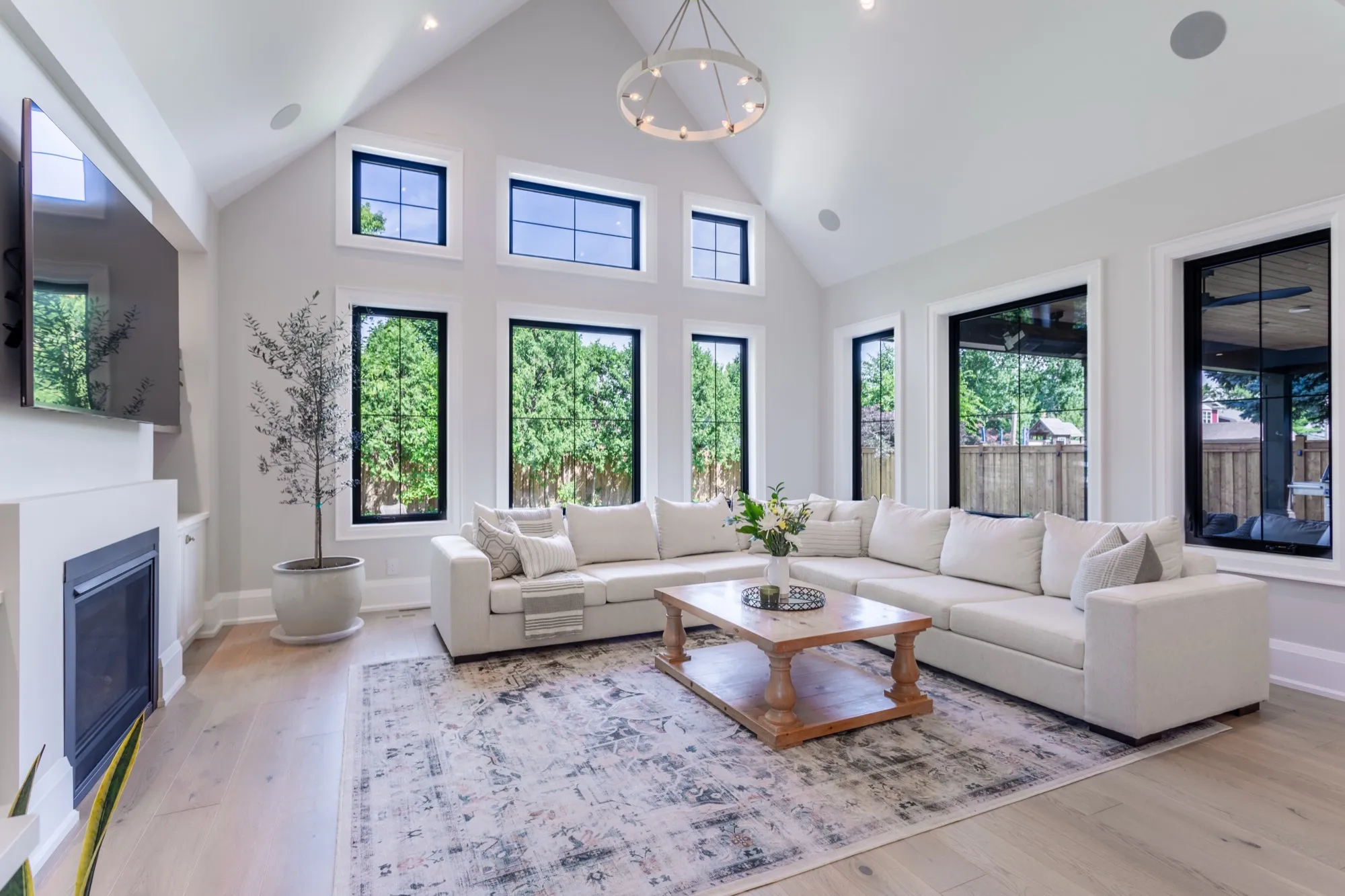
Buying a Home
Buyer representation across Burlington, Milton, Oakville and Waterdown, from the first search to the keys.
Learn more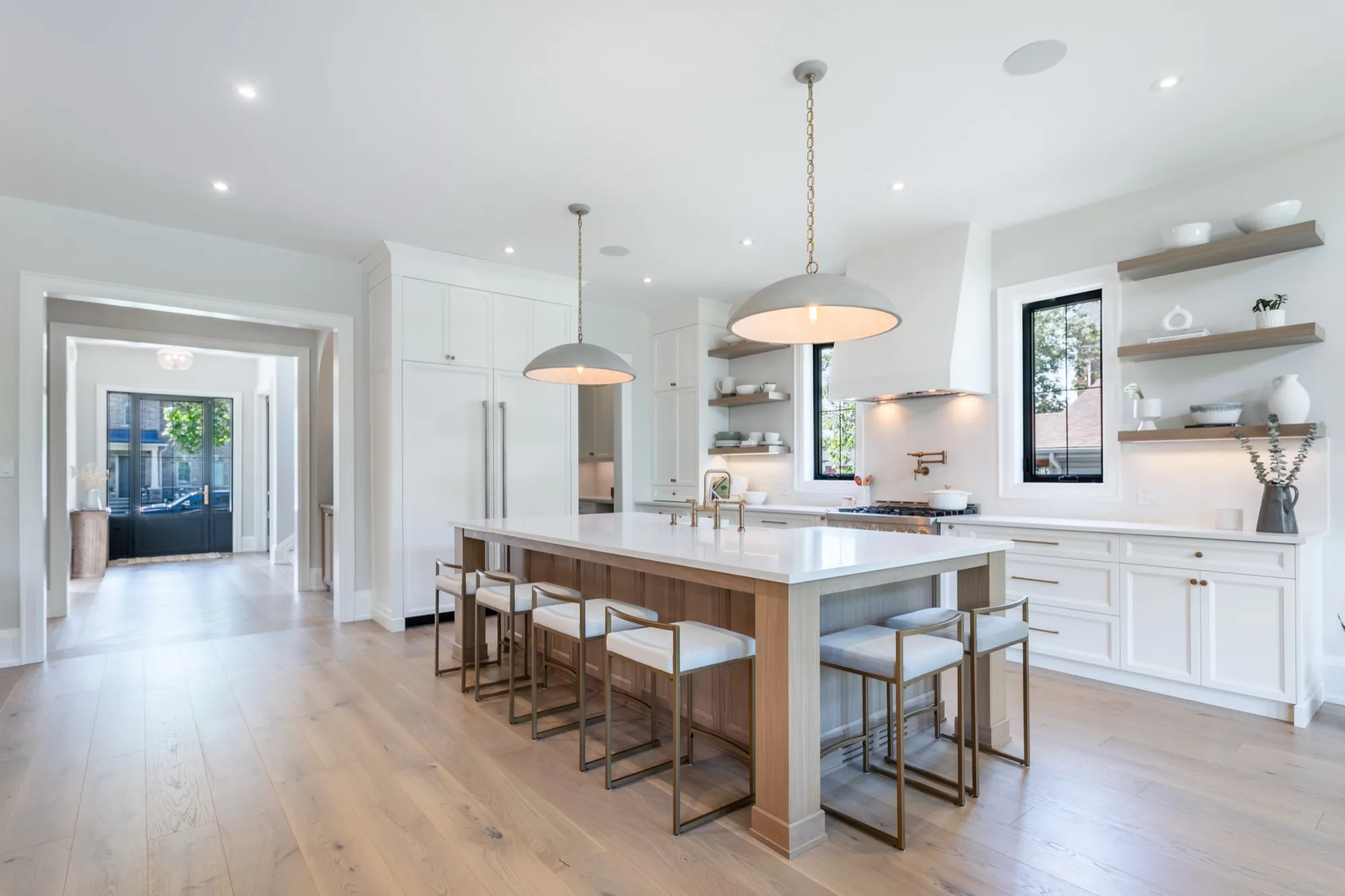
Selling Your Home
Pricing strategy, staging, photography and negotiation that turn a listing into a sale.
Learn more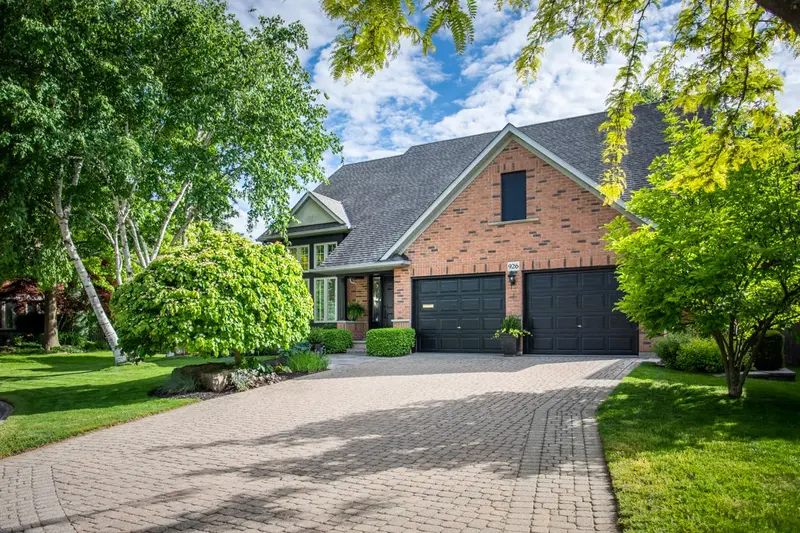
Home Valuation
A no-obligation opinion of what your home is worth in today's Halton market.
Learn more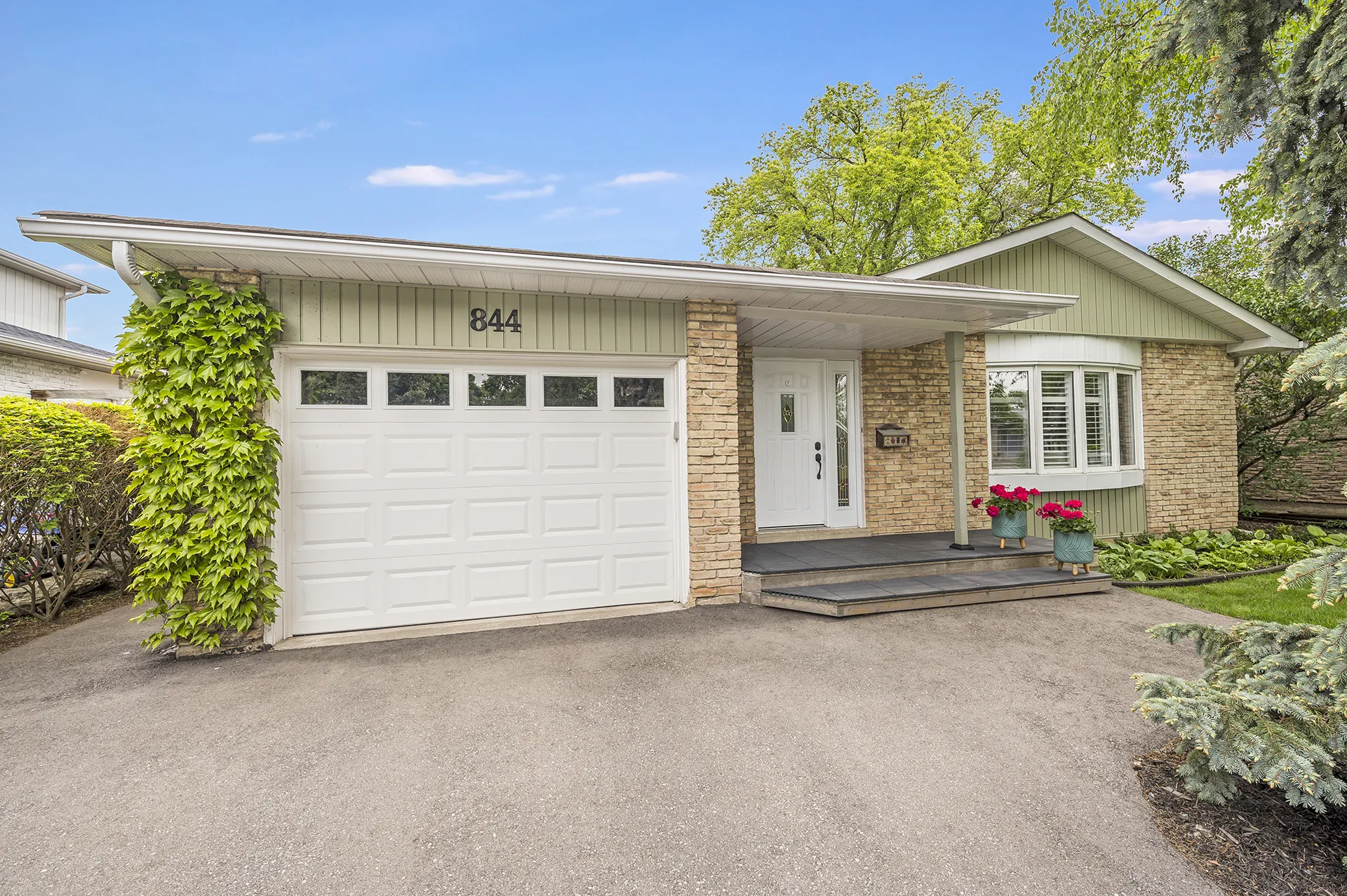
First-Time Buyers
Plain-language guidance on pre-approval, closing costs, rebates and what to expect on offer day.
Learn more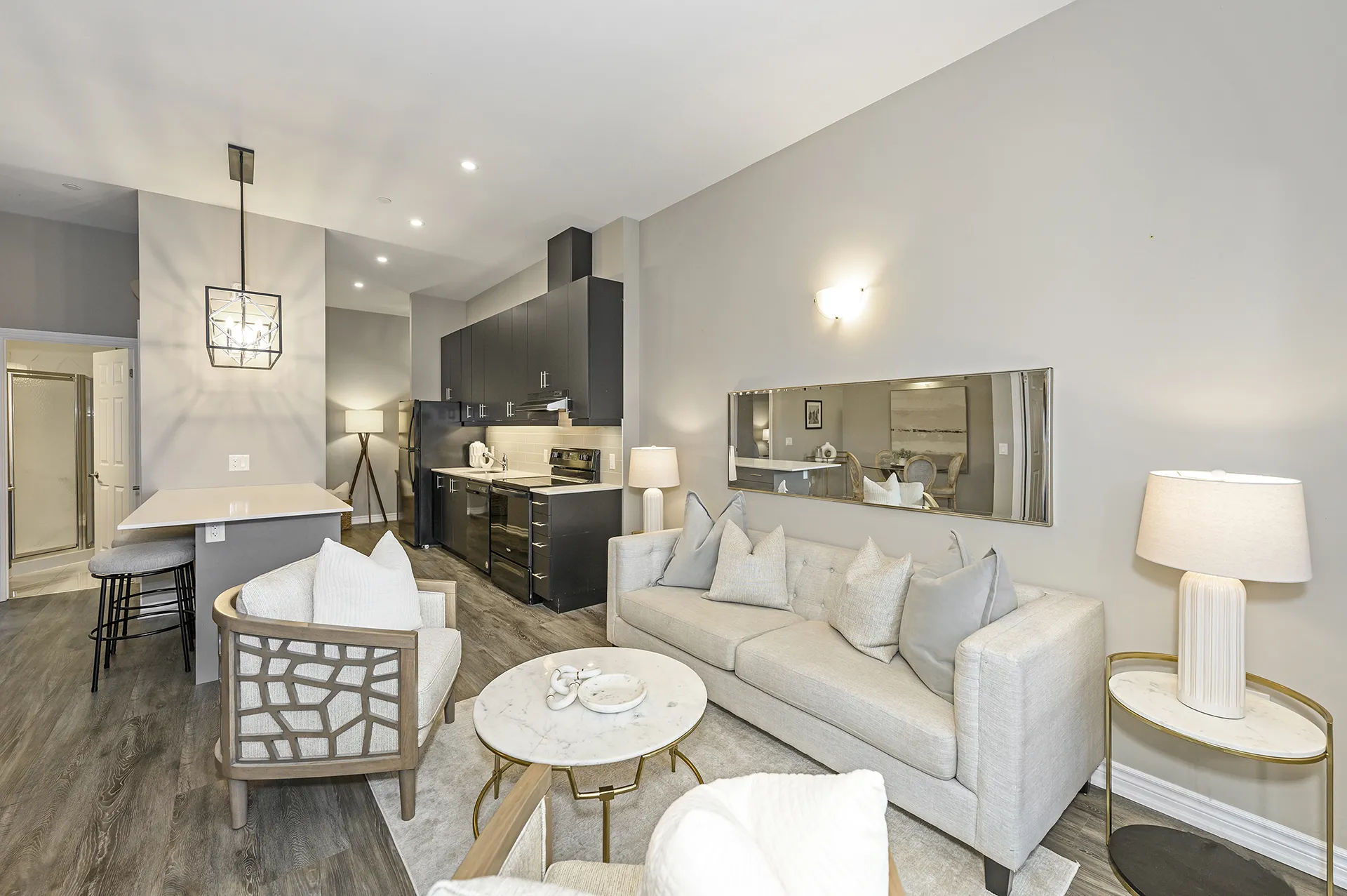
Condos
Buying and selling condos in Burlington and Oakville, including status certificates, fees and building reputations.
Learn more
Investment Properties
Income properties, multi-unit homes and rental condos across Halton and Hamilton.
Learn moreClient Reviews
What Burlington Clients Say
Nikki is a highly professional and collaborative real estate expert. Her market knowledge and commitment to excellence made our recent Burlington transaction smooth and efficient! It was a pleasure doing a deal together.
Nikki and team helped us with the sale of our condo and purchase of a house. Their knowledge, experience and attention to detail is second to none and their professionalism and personalities made them a pleasure to work with. We could don't be more pleased with the outcomes of our sale and purchase. Highly recommend the Preferred Pair for all your real estate needs. Mark and Susan
How It Works
Conversation
A no-pressure call or coffee to understand what you want, your timing, and what the market looks like for you right now.
Plan
Buyers get a search plan and a pre-approval path. Sellers get a pricing strategy, a staging plan and a marketing calendar.
Showings and Marketing
Curated showings for buyers. Professional staging, photography and launch for sellers, with feedback shared as it comes in.
Negotiation and Closing
Offer strategy, negotiation and every deadline managed through to closing day, with lawyers, lenders and inspectors coordinated for you.
Burlington Real Estate Questions
Which Burlington neighbourhoods are best for families?
It depends on the age of home you want. Headon Forest, Millcroft and The Orchard were built for families from the mid-1980s through the early 2000s, with schools inside the subdivision and 50-foot lots. Alton Village is the newest option north of Dundas Street, with a recreation centre and a library branch, on narrower lots. South of the QEW, Shoreacres, Longmoor and Elizabeth Gardens trade newer finishes for mature trees and bigger yards.
How long is the commute from Burlington to Toronto?
Burlington has three GO stations on the Lakeshore West line: Aldershot, Burlington and Appleby. Union Station is roughly an hour by train, a little less on express runs, and Aldershot also has VIA Rail service. By car it is about 57 kilometres to downtown Toronto on the QEW, so the train is the choice most daily commuters make.
Is there a municipal land transfer tax in Burlington?
No. Only Toronto charges a municipal land transfer tax. Buyers in Burlington pay the Ontario land transfer tax alone, and first-time buyers can claim the provincial rebate of up to $4,000 on closing. Your lawyer applies it at closing; Nikki walks you through the numbers before you write an offer.
Is Burlington cheaper than Oakville?
Generally, yes, for a comparable home, though the gap narrows quickly along the lakeshore and in Roseland. Burlington's advantage is the range: rural acreage north of Dundas, 1950s bungalows in Mountainside, 1990s family subdivisions, and new condos at the GO stations, all inside one city. Ask Nikki for a current side-by-side; prices move too fast to publish here.
What is changing in Burlington that a buyer should know about?
Three things. The areas around the Burlington and Aldershot GO stations are approved for high-rise intensification, so expect construction and, over time, more condo supply and amenities there. The Millcroft golf course has been partly redeveloped, which matters if you are buying for a course view. Upper Middle Road renewal and the widening of Dundas Street run through 2027, which affects daily driving in the north half of the city.
What should I know about buying rural property in north Burlington?
Most of the land north of Dundas Street is protected countryside on the Niagara Escarpment, which keeps it rural but also limits what you can build or sever. Many properties are on wells and septic systems, so inspections and water tests are part of the offer. Nikki has sold on 2 Side Road and Cedar Springs Road and can tell you what to check before you fall in love with the view.