
Real Estate Elevated
Milton Real Estate and Homes for Sale
Homes for sale, neighbourhood guidance and a broker who knows Milton street by street.
Milton is where Halton’s growth went. Between 2001 and 2011 it was the fastest-growing municipality in Canada, and the ring of neighbourhoods built since 2000 now wraps the old mill town completely. That gives buyers something Burlington and Oakville cannot: a wide choice of homes under twenty-five years old, with townhouses and semis in real numbers, on the edge of the Niagara Escarpment. Nikki Vrba has more sales in Milton than anywhere outside Burlington, on streets from Manley Lane and Given Lane to Barton Street, Highside Drive, Mountainview Drive, Newell Street, Cochrane Terrace and Laurier Avenue. She and her husband also built and moved into their own home here, which is a different kind of local knowledge.
Thinking about Milton? Call (416) 274-6064 or start with a free home valuation.
Milton, Neighbourhood by Neighbourhood
The town had 132,979 residents at the 2021 census, sits about 54 kilometres west of downtown Toronto, and is bounded by Highway 401 to the north, the 407 to the south, and the escarpment to the west. Sixteen Mile Creek, where Jasper Martin built the grist mill that started the town in 1818, still runs through the middle.
Old Milton
The downtown core around Main Street has the century homes, wartime houses and the Saturday farmers’ market from May to October. It is the most walkable part of town and the only place with genuine heritage stock. Around it, three neighbourhoods from the town’s first suburban wave: Timberlea, developed in the late 1970s and early 1980s in the centre of town near shopping and the GO station, with larger homes on spacious lots under mature trees, plus condo townhomes and the Drury Park adult community; Dorset Park, the same era, quiet, with large lots and quick highway access; and Bronte Meadows, early 1980s, tree-lined and walkable to downtown, the sports centre and the fairgrounds.
East Milton: Clarke, Dempsey, Beaty and Coates
Clarke, in 2000, was the first of the new developments and was designed for commuters, with parks throughout. Dempsey followed in 2002 between Steeles Avenue, the rail line, Thompson Road and James Snow Parkway, and it is the closest of the new neighbourhoods to the GO station, the library and the Milton Centre for the Arts. Beaty, in the southeast, has the strongest community feel, with schools, parks and bike paths threaded through townhomes, semis and detached homes. Coates, built from 2005 to about 2014 between Derry Road and Louis St. Laurent Avenue, is the family neighbourhood with the splash pads, bike lanes and the widest mix of condos, townhomes and two-storeys.
West Milton: Scott, Harrison and Willmott
The west side backs onto the escarpment. Scott and the Escarpment View area in the northwest are known for unobstructed views, wider lots, premium finishes and quiet streets, with Kelso Beach and Glen Eden a few minutes away. Harrison is the newest community in town, home to the Milton Velodrome, on the escarpment’s edge. Willmott, built from 2009 to 2015, sits near the sports centre, the tennis club and Milton District Hospital with a full range of detached, semi-detached and townhouse options.
Boyne and the South
Boyne, south of Louis St. Laurent Avenue, is Milton’s current growth front, with the newest construction in town. Expect new schools and retail to follow the housing, and expect the most competition for the lowest-priced new homes.
Buying and Selling in Milton
- Buying a home in Milton means choosing between Old Milton’s lots and trees and New Milton’s newer homes and schools. Nikki starts with the commute (GO line or 401) and the school catchment, then the neighbourhood.
- Selling your home here is a competition between similar houses. In a subdivision where forty homes share the same floor plan, staging, photography and the right list price decide which one sells in days.
- Home valuation in Milton needs current comparables from the same phase of the same subdivision, because a 2006 Coates two-storey and a 2013 one are not the same house.
- First-time buyers have the most options in Halton here: townhouses and semis in Beaty, Clarke, Coates and Willmott.
- Condos are a smaller market in Milton, mostly stacked and condo townhouses in the newer neighbourhoods and low-rise buildings near downtown and the GO.
- Investment properties tend to be townhouses near the GO station and homes with legal basement suites, which the post-2000 stock was often built to accommodate.
Milton Housing by Era
- Pre-1950s: Century and wartime homes in Old Milton’s core.
- 1960s to early 1980s: Timberlea, Dorset Park, Bronte Meadows. Bigger lots, mature trees, often renovated.
- 2000 to 2005: Clarke and Dempsey. The first commuter subdivisions.
- 2005 to 2015: Beaty, Coates, Scott, Willmott. Complete family communities, the bulk of Milton’s housing.
- 2015 onward: Harrison, the later Scott phases, Boyne. The newest homes and the youngest trees.
Getting Around
Milton GO station serves the Milton line with peak-hour trains to Union Station and buses between. Highway 401 runs along the north side of town and the 407 along the south, which gives drivers a choice of routes to Mississauga, Toronto and Pearson. Milton District Hospital and the Milton Velodrome are both in the west end.
Things Specific to Milton That Affect a Purchase
- Peak-only trains. The Milton GO line is a rush-hour service, which matters if you work irregular hours; check the current schedule against your actual commute.
- Escarpment edge. The western neighbourhoods have views and trails, and a Greenbelt boundary that will not move, which supports their premium.
- Same-plan competition. New Milton subdivisions have many near-identical homes, so condition and presentation drive price more than they do in older towns.
- Schools opened with the subdivisions. The Halton District School Board and the Halton Catholic District School Board built schools inside the new neighbourhoods; catchments still shift as phases open, so confirm the current boundary for the specific address.
- Provincial land transfer tax only. No municipal tax, and up to $4,000 back for first-time buyers.
Areas Around Milton
Oakville is south down Highway 407 and Burlington is southwest across the escarpment. Nikki works all three, so a search that starts in Milton can end wherever the right house is.
Talk to Nikki About Milton
Whether it is a first townhouse in Beaty or a move up to an escarpment lot in Scott, start with a conversation. Call Nikki Vrba, Broker, at (416) 274-6064, request a home valuation, or send a message.
Buying and Selling in Milton
Every service VRBA Realty Group offers, applied to the Milton market.
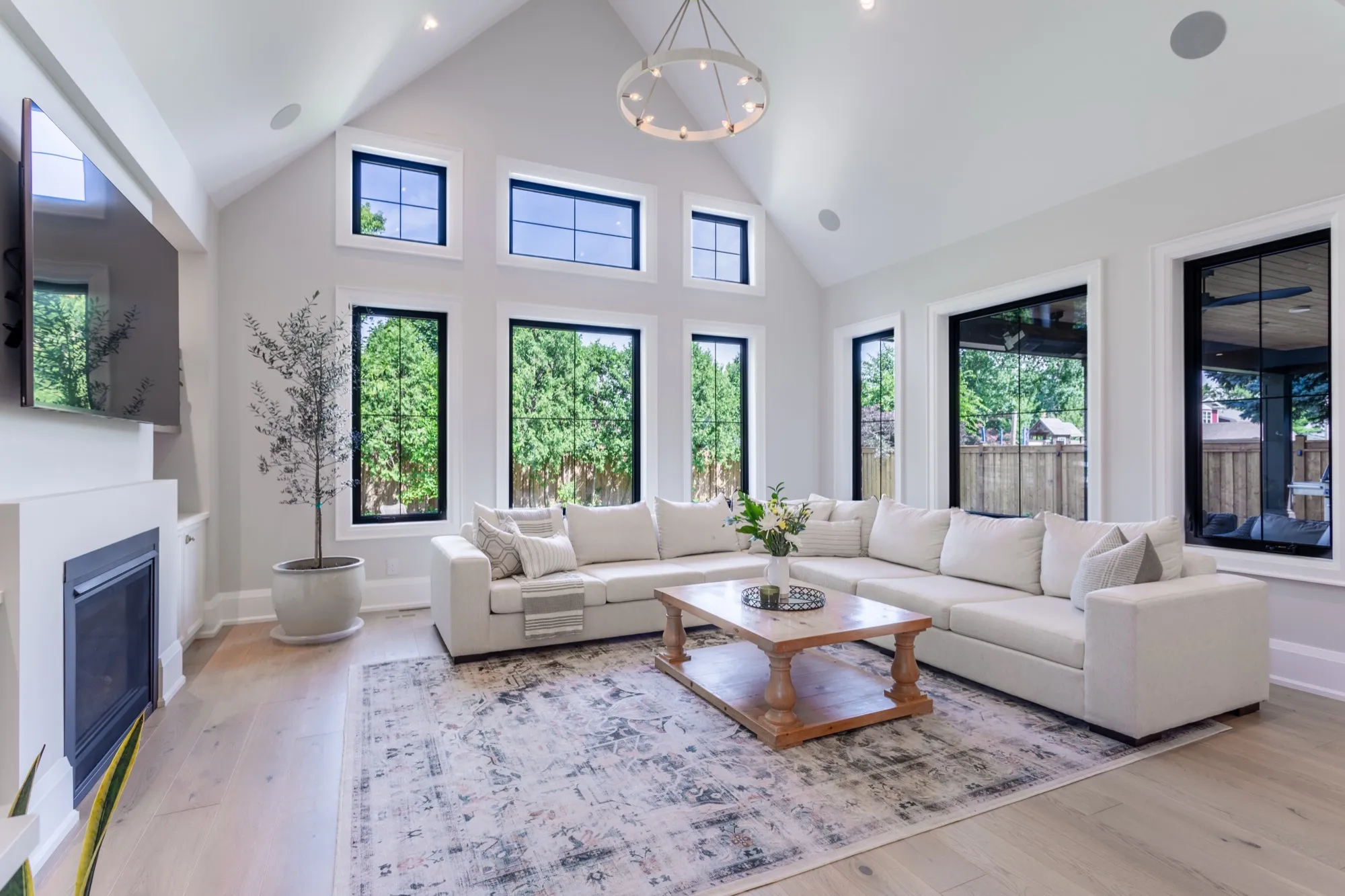
Buying a Home
Buyer representation across Burlington, Milton, Oakville and Waterdown, from the first search to the keys.
Learn more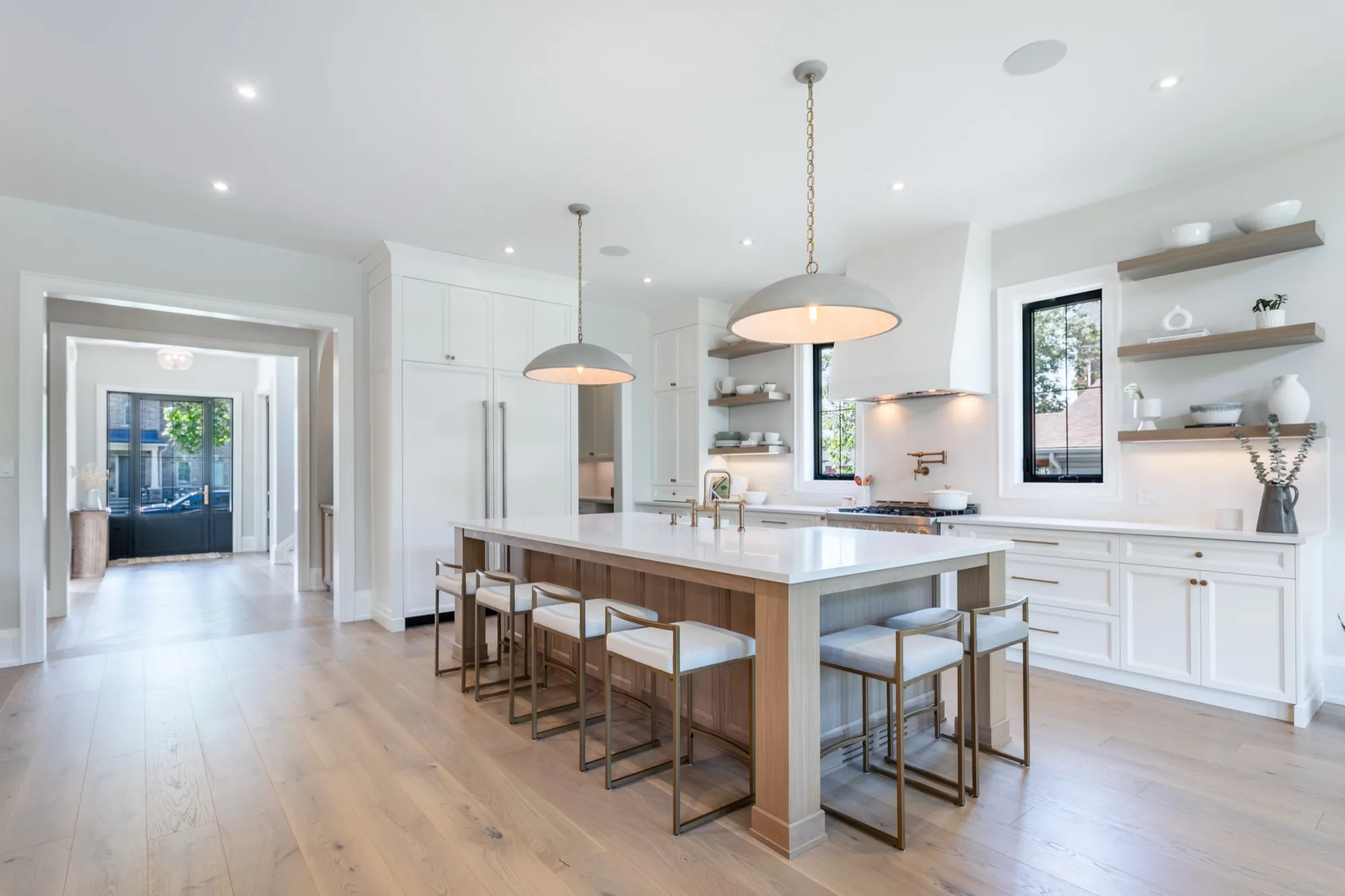
Selling Your Home
Pricing strategy, staging, photography and negotiation that turn a listing into a sale.
Learn more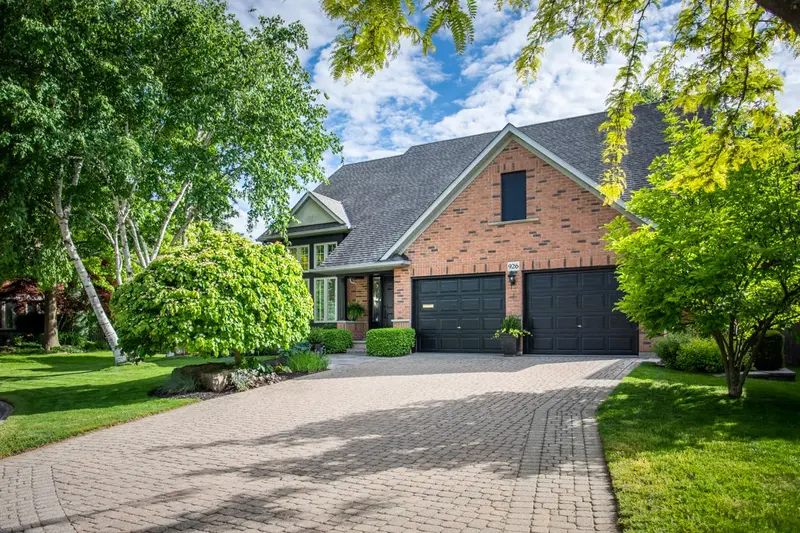
Home Valuation
A no-obligation opinion of what your home is worth in today's Halton market.
Learn more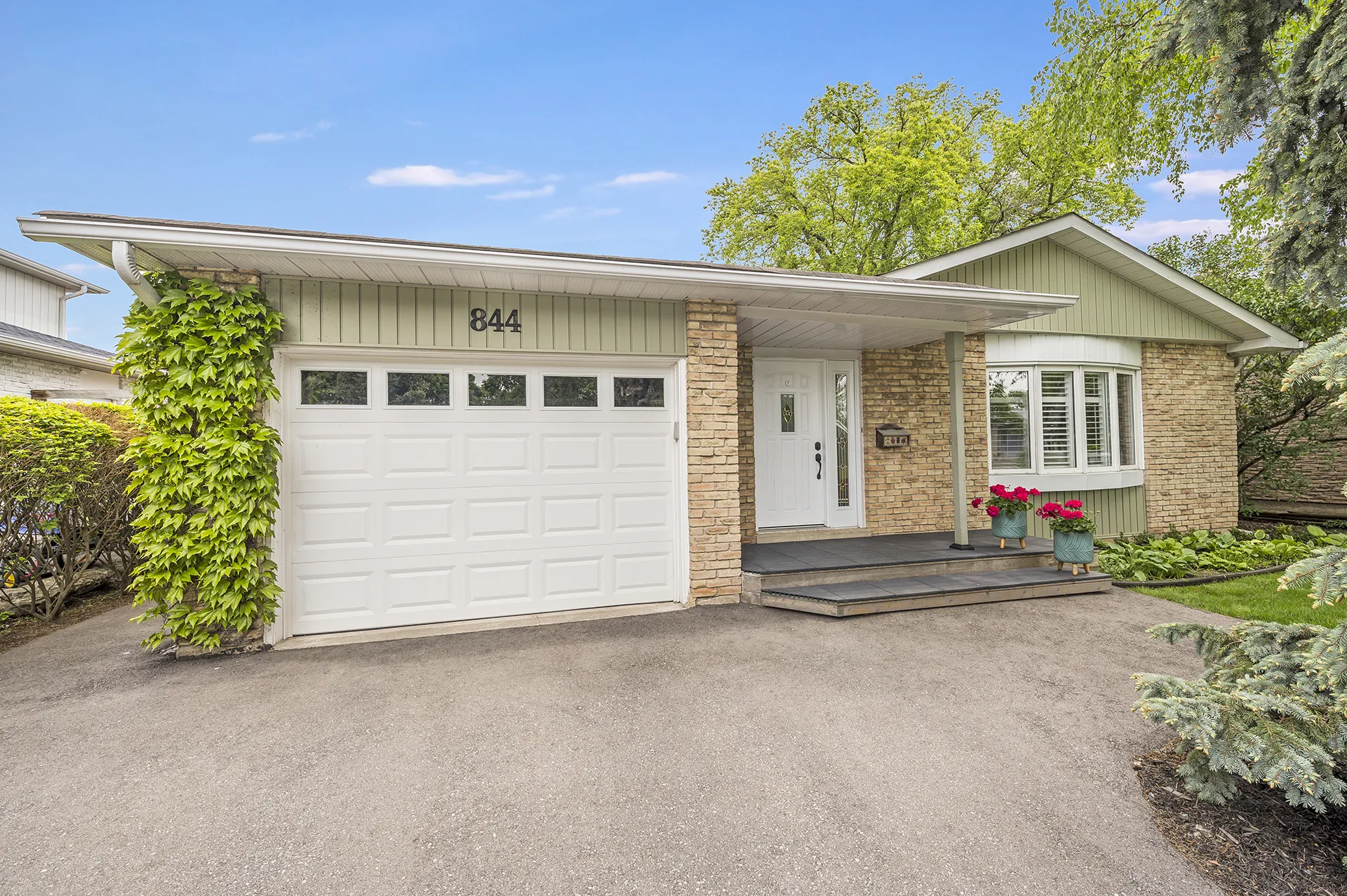
First-Time Buyers
Plain-language guidance on pre-approval, closing costs, rebates and what to expect on offer day.
Learn more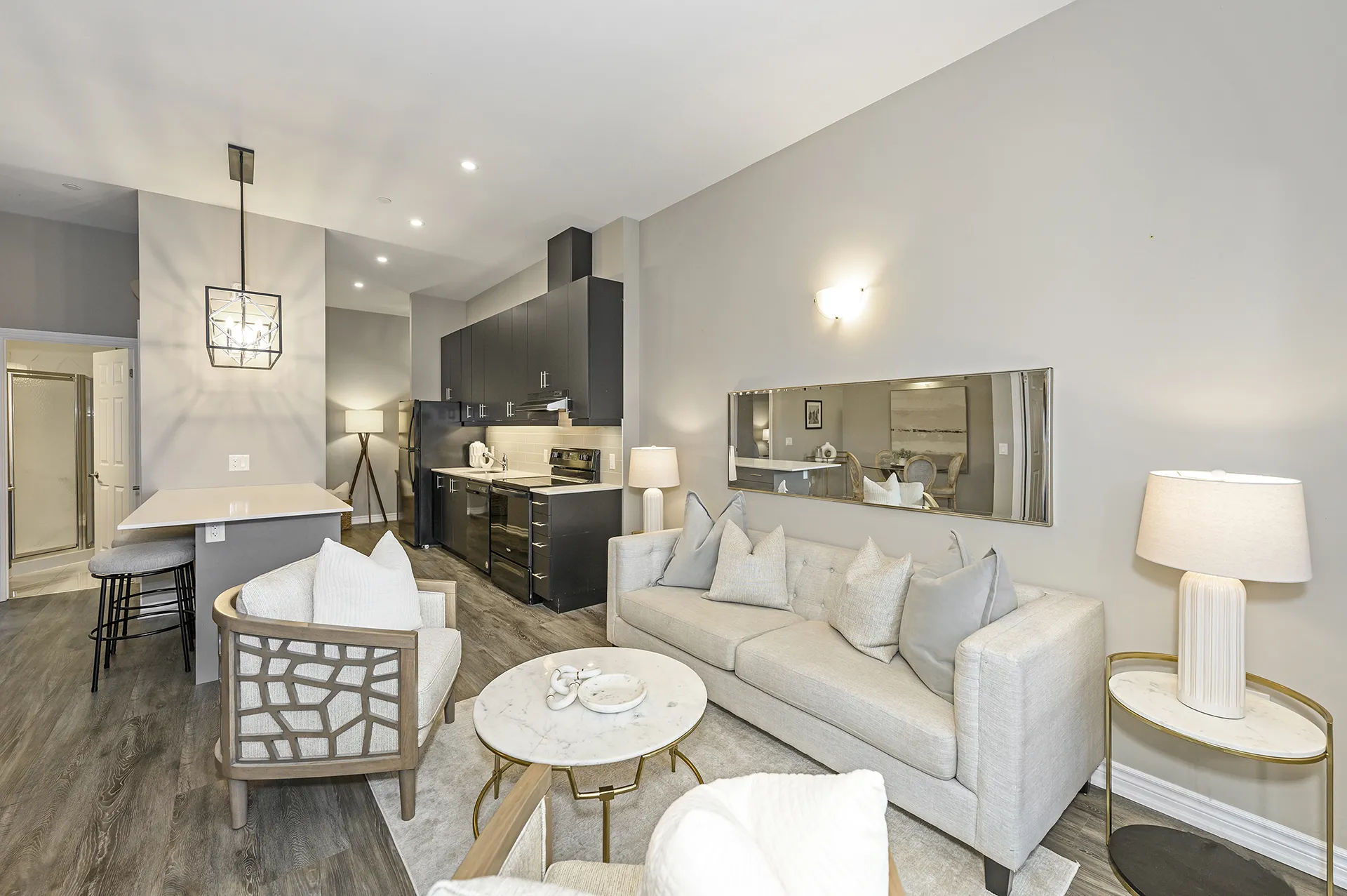
Condos
Buying and selling condos in Burlington and Oakville, including status certificates, fees and building reputations.
Learn more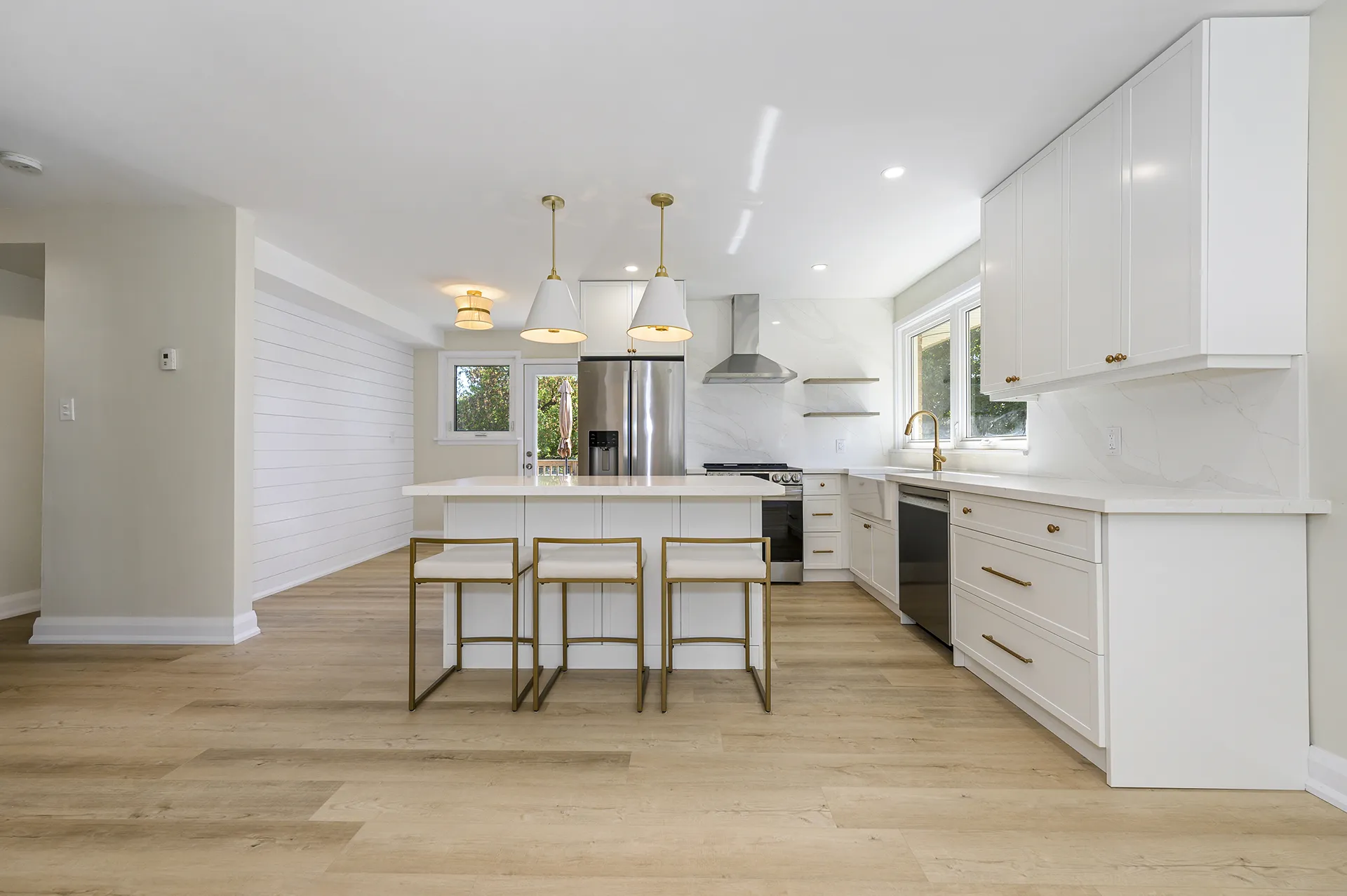
Investment Properties
Income properties, multi-unit homes and rental condos across Halton and Hamilton.
Learn moreClient Reviews
What Milton Clients Say
Nikki took us through the process of purchasing our dream condo and then selling our house. Her steady calm and practical advice made everything an easy process. Her dedication to detail to stage the house paid off with it selling in 2 days with a firm offer over asking price We were also equally impressed with her associate Samantha
Nikki turned a pipe dream into reality in just 24 hours. Her sharp negotiation skills and deep understanding of what we were looking for in an investment property made the entire process seamless. From a strong buying strategy to expert advice on preparing for a market listing, she has guided us every step of the way!
How It Works
Conversation
A no-pressure call or coffee to understand what you want, your timing, and what the market looks like for you right now.
Plan
Buyers get a search plan and a pre-approval path. Sellers get a pricing strategy, a staging plan and a marketing calendar.
Showings and Marketing
Curated showings for buyers. Professional staging, photography and launch for sellers, with feedback shared as it comes in.
Negotiation and Closing
Offer strategy, negotiation and every deadline managed through to closing day, with lawyers, lenders and inspectors coordinated for you.
Milton Real Estate Questions
What is the difference between Old Milton and New Milton?
Old Milton is the original town around Main Street and Sixteen Mile Creek, plus the 1960s to 1980s neighbourhoods that grew around it: Timberlea, Dorset Park and Bronte Meadows. New Milton is everything built after 2000, wrapping around the old town: Clarke, Dempsey, Beaty and Coates to the east, Harrison, Scott and Willmott to the west. Old Milton means bigger lots and mature trees; New Milton means newer homes and newer schools.
How do Milton commuters get to Toronto?
Milton GO station runs trains on the Milton line into Union Station during peak hours, with buses outside those times. Highway 401 runs along the town's north edge and the 407 toll road along the south, so drivers to Mississauga, Toronto or the airport have two routes. Milton sits about 54 kilometres from downtown Toronto.
Which Milton neighbourhoods have the newest homes?
Harrison, on the escarpment side of town near the Milton Velodrome, is the newest, followed by Willmott (built from 2009 to about 2015) and the later phases of Coates and Scott. Boyne, in the south, is the current growth area. If you want a home under ten years old with a new school nearby, that is where to look.
Is Milton a good place for a first home?
It has been the entry point into Halton for two decades because the post-2000 neighbourhoods have more townhouses and semi-detached homes than Burlington or Oakville. Beaty, Clarke and Coates have plenty of both. Nikki has sold on Barton Street, Elmwood Crescent, Playfair Terrace and Cochrane Terrace, and she can show first-time buyers what a townhouse budget buys in each pocket.
What are the escarpment-side neighbourhoods like?
Scott and the Escarpment View area in the northwest, and Harrison next to them, back onto the Niagara Escarpment and are known for their views, wider lots and premium finishes. They are also closest to Kelso Conservation Area, Glen Eden ski hill and the Bruce Trail, which is a large part of why Milton families move here.
Has Milton's growth changed what it is like to buy there?
Milton was the fastest-growing municipality in Canada between 2001 and 2011, and it has kept building since. That means a lot of similar homes come to market, so pricing and presentation decide which one sells first, and it means schools, roads and the hospital have been expanding to keep up. Nikki built her own home in Milton, so she has watched that growth from inside it.