
Real Estate Elevated
Oakville Real Estate and Homes for Sale
Homes for sale, neighbourhood guidance and a broker who knows Oakville street by street.
Oakville is the most expensive of the three Halton towns and the one with the widest gap between its top and its middle. Along Lake Ontario, from Bronte Harbour to the Mississauga line, sit heritage streets and estate lots that set the ceiling for the whole region. North of the QEW, the executive subdivisions of the 1980s and 1990s fill the middle, and north of Dundas Street the town is still being built. Nikki Vrba has sold in Oakville on Westside Drive, Glenada Crescent, Montgomery Drive and Prince Michael Drive, and she shows Oakville and Burlington side by side so clients can see what the same budget buys on each side of Burloak Drive.
If you are weighing Oakville, call (416) 274-6064 or start with a free home valuation on the home you would be selling to get there.
Oakville, Neighbourhood by Neighbourhood
The town had 213,759 residents at the 2021 census in about 73,500 households, and it keeps growing north. Two creeks, Sixteen Mile and Bronte, cut it into thirds, and the QEW cuts it top from bottom. Those lines explain most of the pricing.
Old Oakville and the Lakeshore
Old Oakville is the original town around the harbour at the mouth of Sixteen Mile Creek: Lakeshore Road’s shops, the downtown, and the heritage streets running to the water. Prices here are the highest in Halton, with custom new builds sitting next to preserved century homes. East of downtown, Morrison was built in the late 1970s and 1980s with two-storey, four-bedroom homes on wide lots and mature trees, and the Ford neighbourhood south of Lakeshore runs from 1970s homes to executive lakefront. Southwest Oakville, the lakeside stretch from Third Line to Dorval Drive, is late-1950s and 1960s housing on respectable lots, which makes it a renovation and rebuild market. Oakville GO sits at the north edge of this band.
Bronte and Kerr Village
Bronte, in the west end, was founded as a fishing village in 1834 and still works around its harbour and Bronte Creek. It has period homes, custom builds, 1980s suburban streets, newer executive subdivisions like Lakeshore Woods, and waterfront condos, all at a lower entry point than Old Oakville. Bronte GO is its own station. Kerr Village, between Dorval Drive and Trafalgar Road in central south Oakville, is the revitalised main street with century homes, infill, new builds and a high proportion of rentals, which makes it one of the more interesting places in town for investors.
Glen Abbey, River Oaks and the Executive Subdivisions
North of the QEW, Glen Abbey wraps the famous golf course with 1980s and 1990s executive homes. River Oaks, to the east, is the same era with a wider mix of housing types, which is why it works for first-time buyers and larger families alike. Wedgewood Creek and Joshua Creek run toward the Mississauga border; Joshua Creek’s post-2000 detached homes are large and architecturally ambitious, with trees still filling in. Falgarwood and College Park, the 1960s and 1970s neighbourhoods around Sheridan College, are the most affordable detached and condo options in Oakville and have good highway and GO access.
West Oak Trails, Westmount and Palermo
West of Sixteen Mile Creek and north of Upper Middle Road, West Oak Trails and Westmount were built in the late 1990s and 2000s as complete family communities with newer schools, parks and a trail system. Palermo, at Dundas and Bronte Road, was a village established in 1805 and rebuilt in the last decade or so with homes that nod to that history. Together they are Oakville’s modern family belt.
North Oakville and the Uptown Core
North of Dundas Street the town is still under construction. The Uptown Core around Trafalgar Road and Dundas is the town’s newest node with condos, townhouses and services, and the subdivisions spreading east and west from it are the youngest housing in Oakville. Buyers trade tree cover and lot size for new construction and a lower price than the older south.
Buying and Selling in Oakville
- Buying a home in Oakville usually means deciding between the established south (character, trees, price) and the newer north (space, new builds, value). Nikki maps the search to the commute and the schools first.
- Selling your home in Oakville is competitive at every price point, and the buyers are discerning. Staging and photography are not optional here, and pricing has to respect the specific neighbourhood, not the town average.
- Home valuation in Oakville depends heavily on lot, street and school catchment. Two similar houses on either side of Lakeshore Road can be a long way apart.
- First-time buyers start in Falgarwood, College Park, Kerr Village, River Oaks or the Uptown Core condos.
- Condos cluster in the Uptown Core, along Bronte’s waterfront, in Falgarwood’s larger complexes and near Oakville GO. Reserve fund and status certificate review are the whole game.
- Investment properties lean toward Kerr Village, the GO station areas and the north Oakville townhouse supply.
Oakville Housing by Era
- Pre-1930s: Old Oakville and the Bronte and Kerr village cores. Heritage designations are common; check before planning changes.
- 1950s and 1960s: Southwest Oakville, College Park and parts of Falgarwood. Smaller homes on good lots, many renovated or replaced.
- 1970s: Morrison, Ford, Falgarwood. Larger family homes, mature trees, original mechanicals often replaced once already.
- 1980s and 1990s: Glen Abbey, River Oaks, Wedgewood Creek, Bronte’s suburban streets. The executive family belt.
- Late 1990s to 2000s: West Oak Trails, Westmount, Joshua Creek. Complete communities with newer schools.
- 2010s onward: Palermo, the Uptown Core, north Oakville. Newest finishes, smallest lots, still filling in.
Getting Around
Oakville and Bronte GO stations on the Lakeshore West line carry the Toronto commute. The QEW and Highway 403 run through the middle of town, and the 407 toll road crosses the north end. Sheridan College’s Trafalgar campus sits in College Park, and Oakville Trafalgar Memorial Hospital is on Dundas Street in the north.
Things Specific to Oakville That Affect a Purchase
- Old Oakville heritage rules. Many lakeshore-area properties carry heritage designations or sit in a heritage district, which shapes what you can build or change.
- Two creeks, two GO stations. Bronte Creek and Sixteen Mile Creek define the neighbourhoods; the station you will use decides which side you should search.
- Schools drive the south. The public and Catholic boards plus Appleby College and a cluster of private schools are a big part of why the south-of-QEW market holds its price.
- North Oakville is still being finished. Roads, transit and retail are following the housing; buy there for value, not for maturity.
- Land transfer tax is provincial only. No municipal tax, and first-time buyers can claim the Ontario rebate of up to $4,000.
Areas Around Oakville
Burlington sits directly west across Burloak Drive and is the natural comparison for every Oakville budget. Milton is north up Highway 407 and offers the newest housing in Halton at a lower price.
Talk to Nikki About Oakville
From a first condo in the Uptown Core to a lakeshore move in Old Oakville, the right first step is a conversation about what you actually want from the town. Call Nikki Vrba, Broker, at (416) 274-6064, request a home valuation, or send a message.
Buying and Selling in Oakville
Every service VRBA Realty Group offers, applied to the Oakville market.
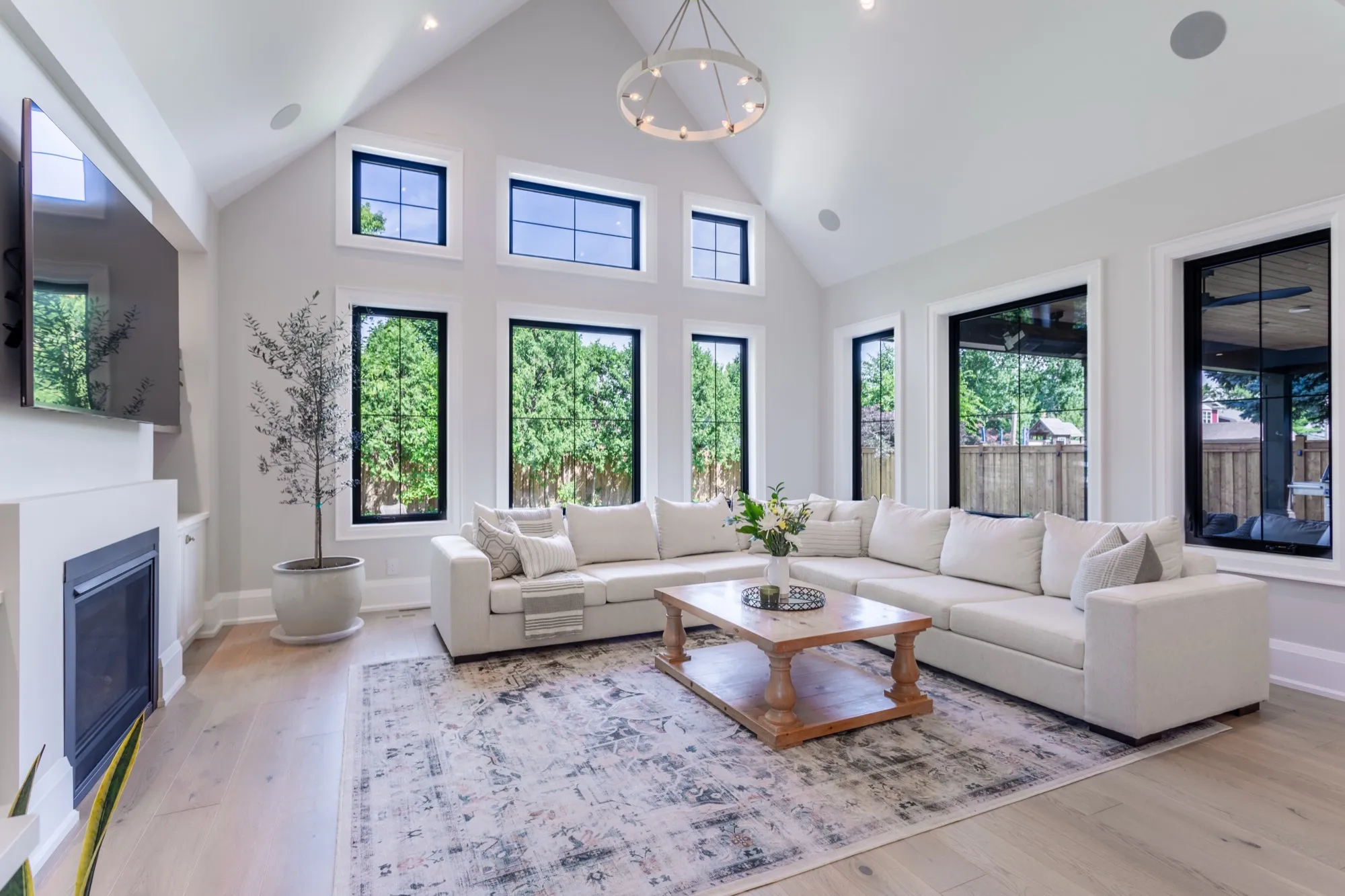
Buying a Home
Buyer representation across Burlington, Milton, Oakville and Waterdown, from the first search to the keys.
Learn more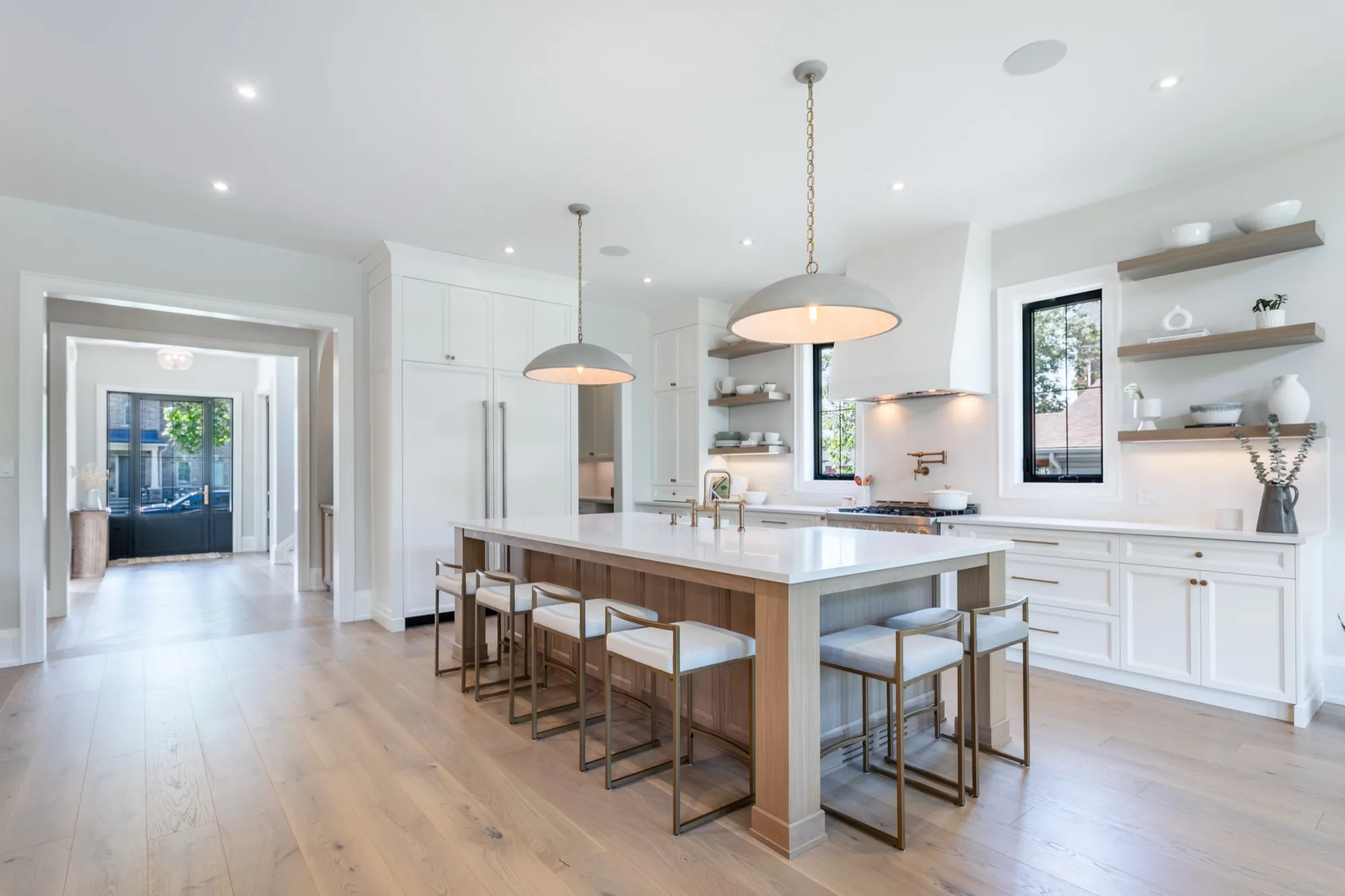
Selling Your Home
Pricing strategy, staging, photography and negotiation that turn a listing into a sale.
Learn more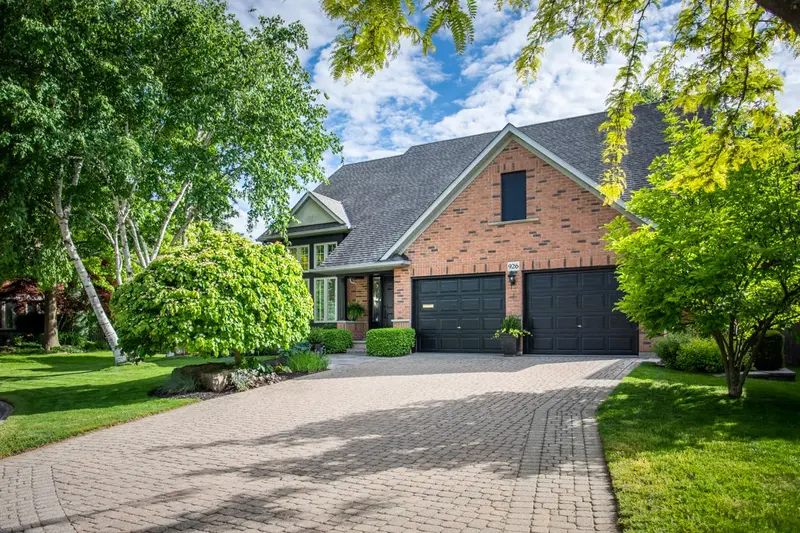
Home Valuation
A no-obligation opinion of what your home is worth in today's Halton market.
Learn more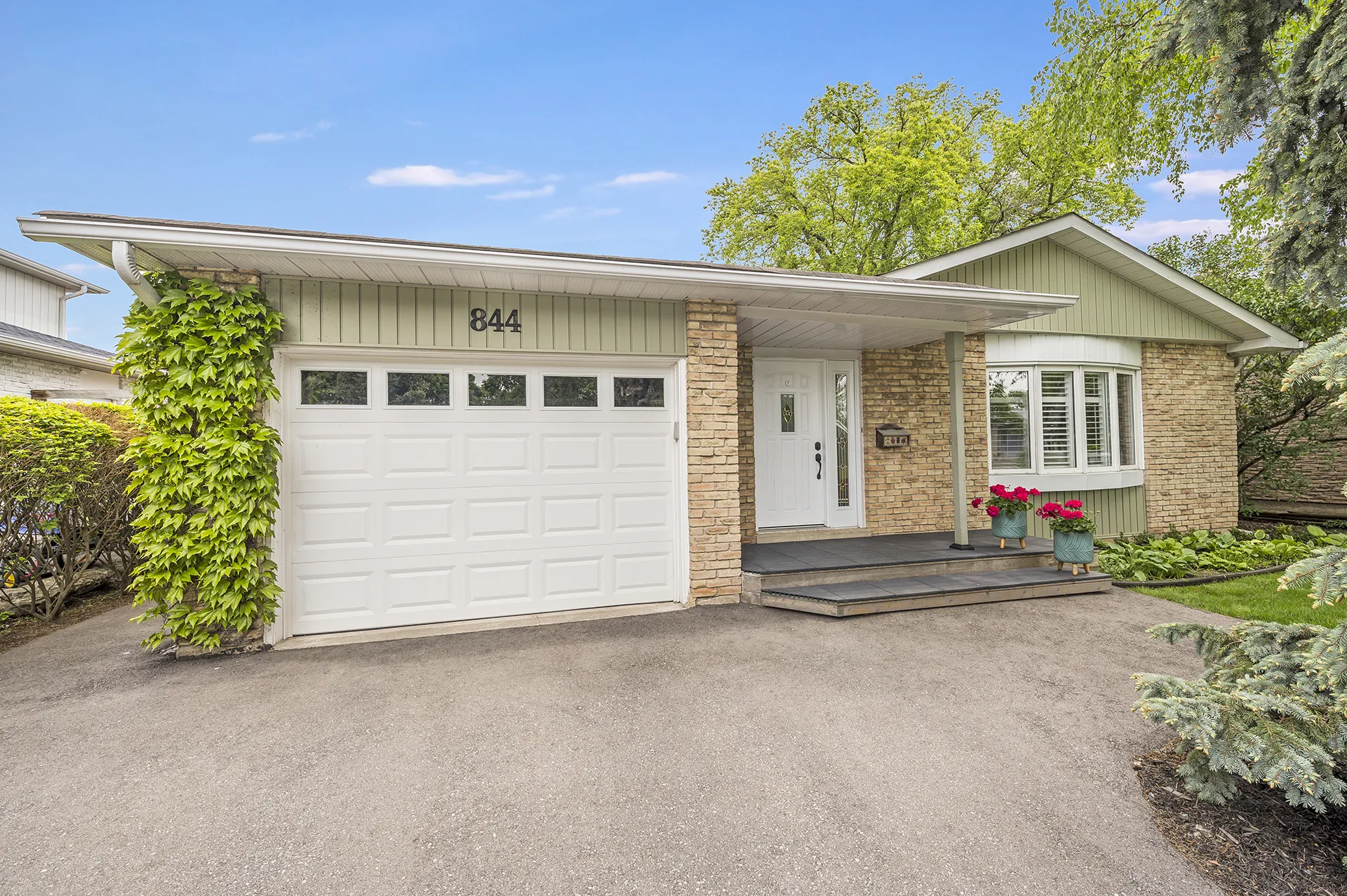
First-Time Buyers
Plain-language guidance on pre-approval, closing costs, rebates and what to expect on offer day.
Learn more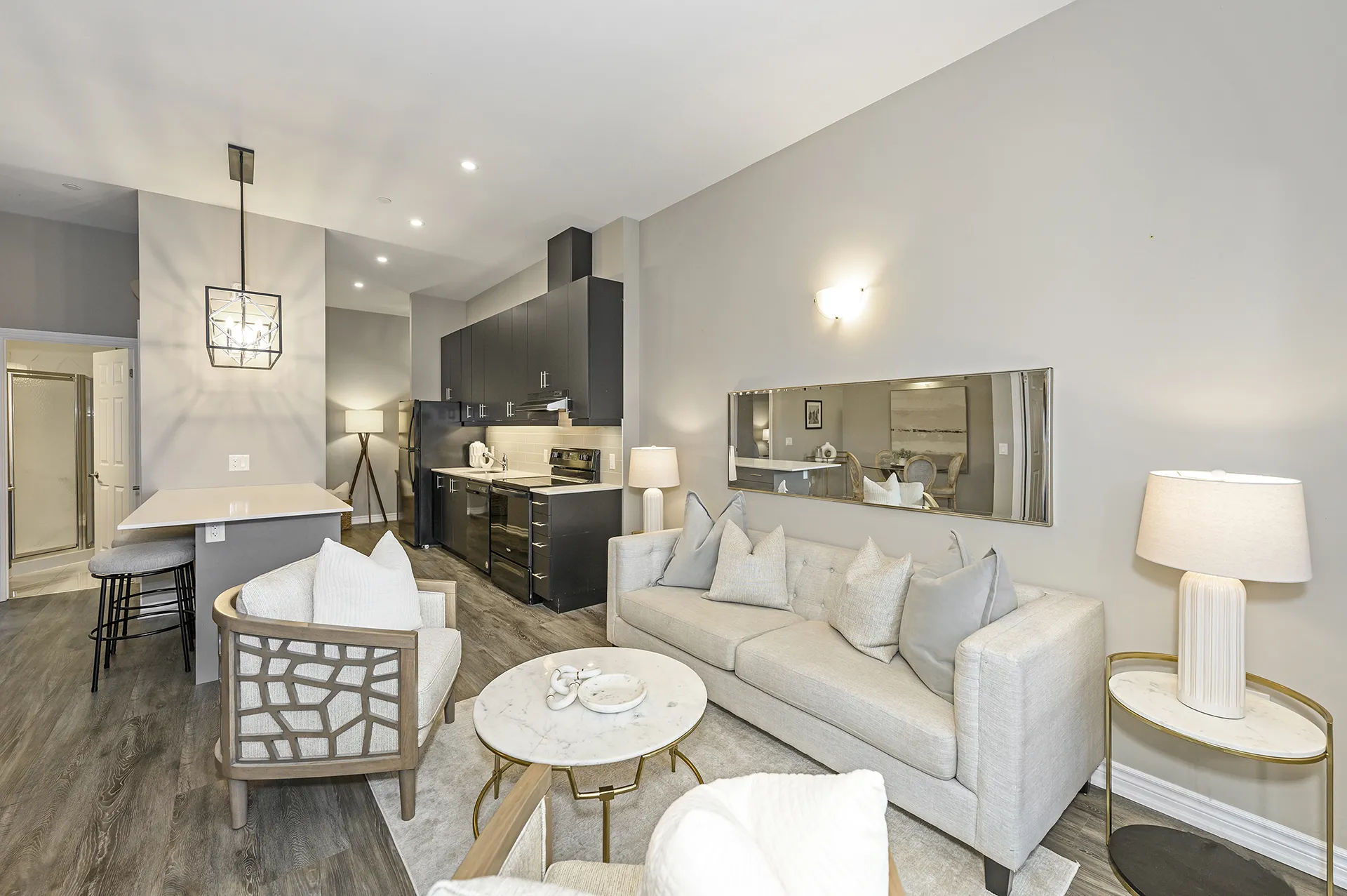
Condos
Buying and selling condos in Burlington and Oakville, including status certificates, fees and building reputations.
Learn more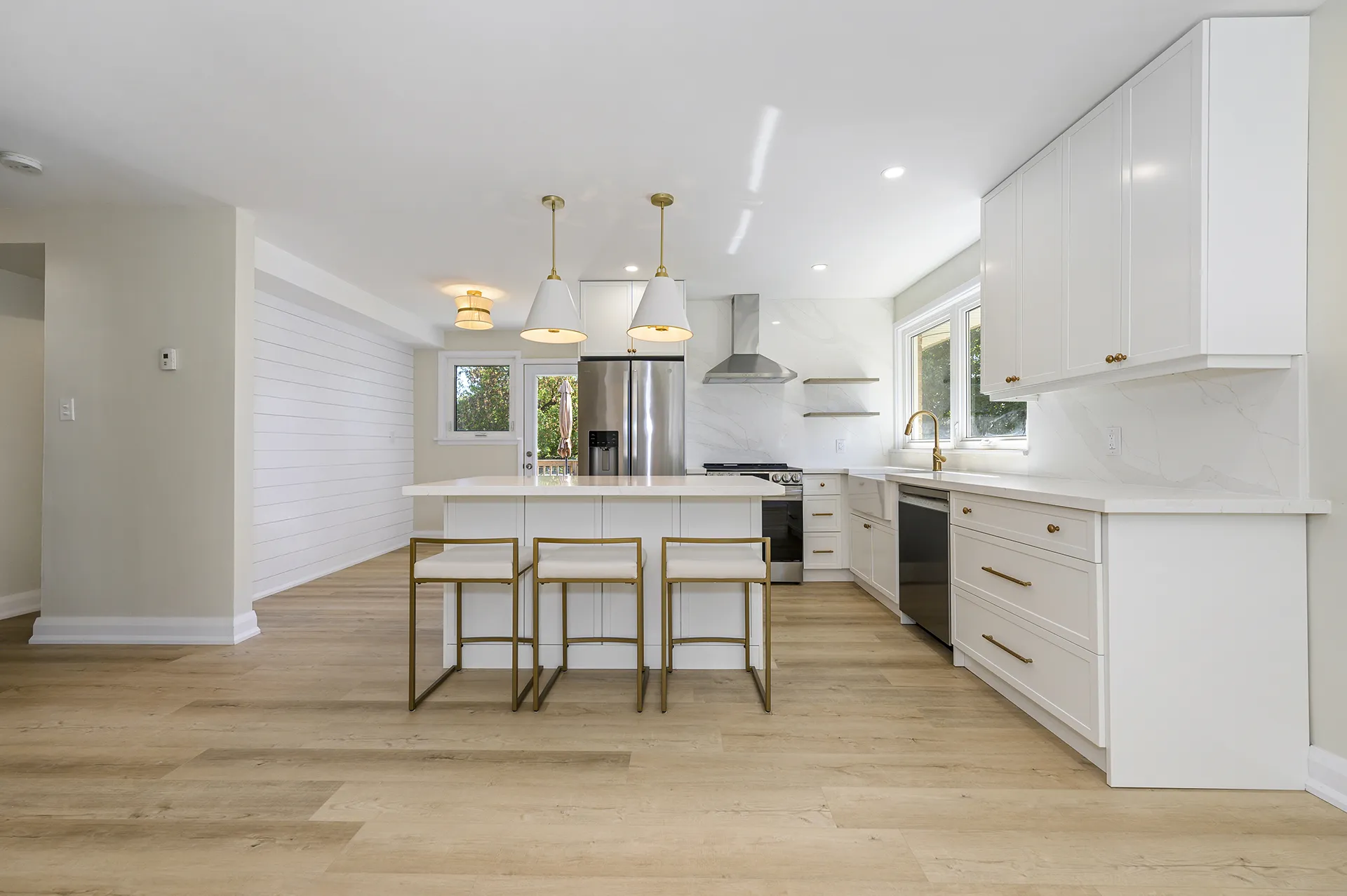
Investment Properties
Income properties, multi-unit homes and rental condos across Halton and Hamilton.
Learn moreClient Reviews
What Oakville Clients Say
Nikki is AWESOME. She worked so hard to get our home sold in under 48 hours for WELL beyond our asking price. We couldn’t have asked for more. Far exceeded our expectations. We are super happy clients :)
Nikki is an absolute dream to work with! With her guidance we were successful in the purchase of our dream home (under ask!) and achieved our target price in the sale of our current home (after 2 days on the market!). Her staging speaks for itself and the process was seamless. She is extremely responsive and went the extra mile for us every step of the way. She undoubtedly was the reason we were able to navigate this wildly competitive market so successfully.
How It Works
Conversation
A no-pressure call or coffee to understand what you want, your timing, and what the market looks like for you right now.
Plan
Buyers get a search plan and a pre-approval path. Sellers get a pricing strategy, a staging plan and a marketing calendar.
Showings and Marketing
Curated showings for buyers. Professional staging, photography and launch for sellers, with feedback shared as it comes in.
Negotiation and Closing
Offer strategy, negotiation and every deadline managed through to closing day, with lawyers, lenders and inspectors coordinated for you.
Oakville Real Estate Questions
Which Oakville neighbourhoods are the most affordable way in?
Falgarwood and College Park, both 1960s and 1970s stock north of the QEW, have the lowest detached entry points, and Falgarwood adds large condo complexes. Kerr Village mixes century homes and infill with a high proportion of rentals, and the Uptown Core in north Oakville is where most new condo and townhouse supply is landing. Old Oakville, Morrison and the lakeshore stay at the top of the market.
How does the Oakville commute to Toronto work?
Two GO stations on the Lakeshore West line, Oakville and Bronte. Oakville GO is the busier hub with express service; Bronte serves the west end. The QEW and Highway 403 run through town and the 407 crosses the north, so drivers have options, but for a daily Union Station commute the train wins.
Is Oakville worth the premium over Burlington?
For some buyers, yes. Oakville has more executive-scale housing from the 1980s onward (Glen Abbey, Joshua Creek, River Oaks), the private-school and Sheridan College draw, and the lakeshore villages. Burlington offers more range for the same dollar. Nikki works both and will show you the same budget in each so the decision is yours, not the market's.
What is the difference between Bronte and Old Oakville?
Both are lakeshore villages with a main street. Old Oakville, around the downtown and Lakeshore Road east of Sixteen Mile Creek, is the heritage market with the highest prices in town. Bronte, west around Bronte Harbour and Bronte Creek, started as a fishing village in 1834 and now mixes period homes, 1980s suburban streets, new executive builds and waterfront condos at a lower entry point.
Are the 1980s and 1990s Oakville subdivisions a good buy?
Glen Abbey, River Oaks and Wedgewood Creek were built for executive families in the 1980s and 1990s, on good lots with established trees. They are now at the age where original kitchens, windows and roofs have either been replaced or are due, so the inspection and the renovation budget matter more than the listing photos. Nikki will tell you which streets have been kept up and which have not.
What should I know about buying in north Oakville?
Everything north of Dundas Street (Palermo, the Uptown Core, the newest phases of West Oak Trails) is under twenty years old, with smaller lots, newer schools and the most townhouse and semi-detached supply in town. Trees are still young and some road and transit links are still being finished, which is why prices there sit below the older south-of-QEW neighbourhoods.